

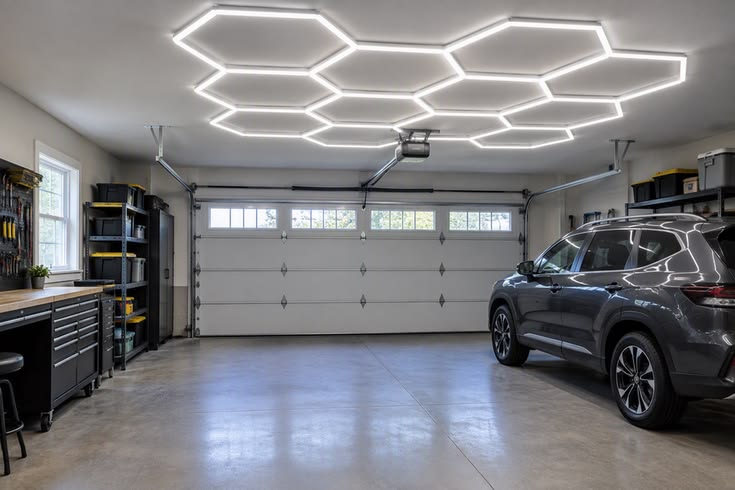
A beautifully maintained vehicle deserves more than a crowded driveway when its owner wants to capture photographs. Whether documenting a restoration, preparing a car for sale, or sharing an automotive collection online, the surrounding environment can influence how the vehicle appears. Background clutter, uneven lighting, and distracting reflections can make even an impressive car difficult to photograph.
For Toronto enthusiasts considering hexagon garage lighting, a home garage can offer opportunities for more controlled vehicle photography. However, successful images depend on the relationship between lighting, floor appearance, camera position, and the available space. Creating a useful photographic environment begins with understanding how these elements interact.
Reflections Reveal the Shape of a Vehicle
Automotive photography is different from photographing ordinary household objects. Vehicle paint, windows, chrome, and polished trim can reflect large portions of the surrounding environment. These reflections can help reveal the curves of a hood, the shape of a fender, or the details of a restored body panel. However, poorly positioned lights may create distracting bright patches across glossy surfaces.
A photographer can examine the vehicle from several angles before deciding where to position the camera. Small changes in camera height or vehicle orientation may noticeably alter the reflections. The objective is not to eliminate every reflection but to use them deliberately to communicate the vehicle’s design.
Background Simplicity Makes Details Stand Out
A garage containing bicycles, garden equipment, storage boxes, and tools may function perfectly well for everyday use. However, these objects can become distracting when they appear behind a photographed vehicle. A dedicated photography area benefits from a relatively simple background. Closed cabinets, uncluttered walls, and movable equipment can help create a more controlled setting.
Homeowners do not necessarily need to empty the entire garage. Positioning the vehicle against one organized section may provide enough visual separation for photographs. Temporary backdrops can offer another option, provided they are positioned safely and do not interfere with access, ventilation, or garage equipment.
Floor Appearance Influences the Final Image
The floor occupies a substantial portion of many automotive photographs, particularly when the camera is positioned low or the entire vehicle is included. For homeowners exploring metallic epoxy flooring, the visual character of the surface can become part of the photographic setting. Decorative movement and color may contribute to the image, but the effect should be considered alongside the vehicle’s paint and surrounding lighting.
A highly expressive floor can compete with detailed bodywork, while a more restrained composition may place greater attention on the car. The existing concrete and intended garage use should also be professionally assessed before selecting a permanent flooring system.
Camera Position Changes the Perspective
Automotive photography often benefits from experimenting with camera height and distance. A lower viewpoint can emphasize a vehicle’s proportions, while a higher angle may reveal more of the roof, hood, and surrounding environment. The available garage space influences these choices. Narrow parking arrangements may limit how far the photographer can move from the vehicle.
Keeping one side of the garage relatively open can provide greater flexibility when composing images. A clear area also makes it easier to photograph individual details such as wheels, headlights, and interior features. Photographers should remain aware of their surroundings when moving equipment or stepping backward to frame a shot.
Lighting Needs More Than One Approach
Ceiling fixtures can provide consistent general illumination, but they may not suit every photographic purpose. Detailed images sometimes benefit from softer or more directional light. Portable lighting equipment can offer flexibility when photographing different vehicles or specific components. However, electrical safety and equipment stability should remain priorities.
Homeowners can also experiment with daylight entering through the open garage door. Natural light may produce a different appearance from overhead fixtures, particularly on reflective paintwork. Comparing images under several lighting arrangements can help identify which setup best represents the vehicle without requiring permanent changes to every fixture.
A Photography Garage Still Needs Practical Access
A garage designed for photography must remain functional for its normal household activities. Vehicles need appropriate parking clearance, and equipment should not obstruct doors or walking routes. Tripods, lighting stands, and camera accessories can be stored in designated locations when not in use. A small workstation may provide space for reviewing photographs, charging equipment, and organizing accessories. However, sensitive electronics should be stored under suitable environmental conditions, particularly during Toronto’s colder months.
Maintaining a flexible layout allows the garage to support photography without becoming a permanent studio that compromises everyday use.
Conclusion
A home garage can provide a useful setting for automotive photography when lighting, reflections, backgrounds, and camera positions are considered together. Decorative flooring may contribute to the visual atmosphere, while organized walls and flexible equipment arrangements help keep attention on the vehicle. Different lighting conditions can also reveal details that are difficult to capture in ordinary driveway photographs. By preserving practical access and creating a clear photographic area, Toronto car enthusiasts can document their vehicles in a more controlled environment without sacrificing the garage’s everyday purpose.