
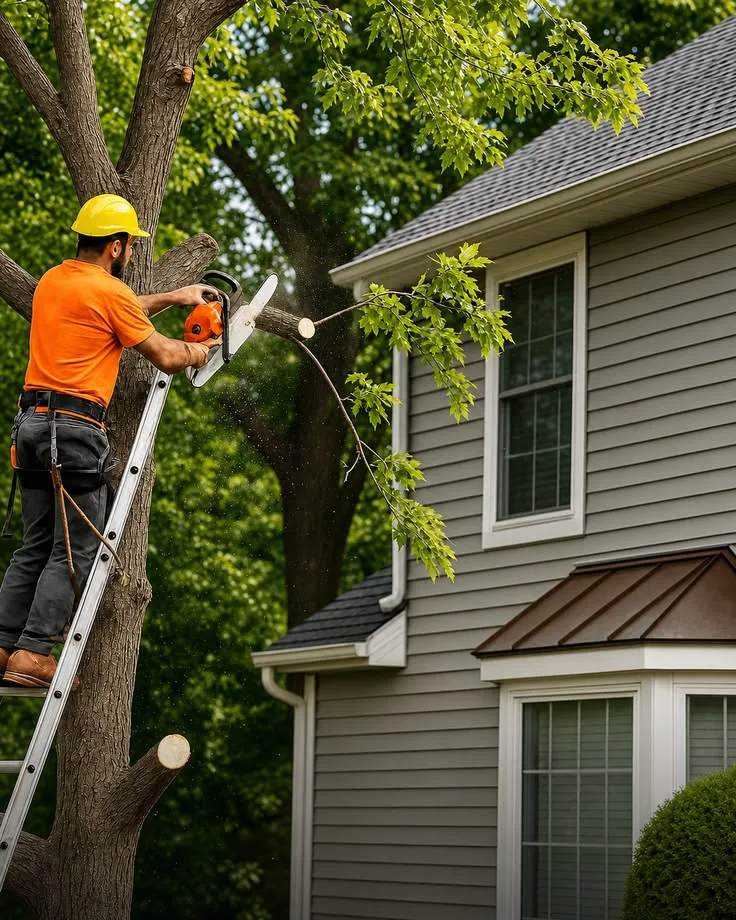
Mature trees often become familiar features of residential landscapes. Families enjoy their shade, wildlife benefits, and the character they bring to outdoor spaces. However, age alone does not determine whether a tree is safe. Structural defects, root problems, disease, and surrounding construction can affect trees of different sizes and ages. Homeowners researching Tree removal San Jose, CA should understand how professionals evaluate potential hazards before deciding what action is appropriate. Recognizing genuine warning signs can help prevent unnecessary removal while supporting safer decisions about trees that may present significant risks.
Visible Damage Does Not Always Tell the Whole Story
A cracked branch or damaged trunk can attract immediate attention. Other structural problems are less obvious. Internal decay, compromised roots, and weak branch attachments may develop without dramatic external changes. The presence of a defect does not automatically mean a tree must be removed. Risk depends on the likelihood of failure, the surrounding environment, and what could be affected if a branch or tree falls.
Professional assessment helps distinguish between manageable defects and conditions requiring more substantial intervention.
Understanding the Importance of Root Stability
Tree roots provide essential structural support while absorbing water and nutrients. Construction activity, soil excavation, and changes in surrounding ground conditions can damage important roots. Root loss may increase instability, particularly when it affects large supporting roots. Changes in soil elevation or the appearance of substantial cracks near the trunk can also deserve investigation.
Homeowners should avoid cutting major roots without professional guidance. What appears to be a simple landscaping adjustment may create complications that develop over several years.
Why Storm Damage Requires Careful Evaluation
Strong winds and heavy rainfall can place significant pressure on trees. Broken limbs, partially uprooted trunks, and hanging branches may create immediate hazards after severe weather. Approaching damaged trees can be dangerous, especially when branches remain under tension or electrical lines are involved. Homeowners should keep people away from affected areas and contact appropriate professionals.
A tree that survives a storm may still require examination. Hidden structural damage can influence its ability to withstand future weather events.
Exploring Alternatives Before Removal
Tree preservation should remain a consideration when a problem can be managed safely. Appropriate pruning may reduce the weight of selected branches, while certain structural defects may be addressed through specialized support systems.
Professional Tree trimming Santa Clara, CA can be relevant when overextended branches or unsuitable growth patterns require correction. However, trimming cannot resolve every structural problem, and unnecessary cutting may make some conditions worse.
The decision should be based on the specific tree rather than a general assumption that shorter branches always mean greater safety.
Situations That May Justify Removal
Some conditions make preserving a tree impractical or create an unacceptable level of risk. A qualified professional can assess whether removal is the most reasonable option.
Situations requiring particular attention include:
-
Extensive structural decay in critical areas.
-
Significant root failure or partial uprooting.
-
Severe trunk splitting or instability.
-
Major storm damage affecting structural integrity.
-
Irreversible decline combined with substantial hazards.
-
Conflicts that cannot be managed through appropriate alternatives.
These examples are not automatic removal criteria. The final decision should consider the complete condition of the tree and its surroundings.
Preparing the Property for Professional Work
Tree removal can involve large equipment, climbing operations, specialized cutting techniques, and controlled lowering of branches. Limited access may make the process more complicated.
Before work begins, homeowners should discuss vehicle access, nearby structures, landscape protection, and cleanup arrangements with the contractor. Vehicles, outdoor furniture, and other movable objects may need to be relocated.
A written scope of work should clarify whether stump grinding, debris removal, and site restoration are included in the quoted price.
Local Rules and Neighboring Properties
Trees near property boundaries can create additional questions about ownership and responsibility. Overhanging branches do not necessarily give neighbors unrestricted permission to remove or damage a tree.
Protected-tree regulations and permit requirements may also apply. Rules can depend on species, trunk size, location, and the circumstances surrounding proposed work.
Property owners should consult relevant municipal requirements and obtain professional legal guidance when disputes or uncertainty arise.
Planning for the Landscape After Removal
Removing a tree can significantly change sunlight, privacy, and the appearance of a property. These effects should be considered before work begins whenever circumstances allow.
Replacement planting may be appropriate, although the selected species should match the available space, soil conditions, and future maintenance expectations.
Choosing a suitable location and allowing enough room for mature growth can help reduce similar conflicts in the future.
Conclusion
Deciding whether a tree should remain or be removed requires more than judging its appearance. Structural conditions, surrounding risks, property constraints, and local regulations all influence the appropriate response. Professional assessment helps homeowners consider preservation where practical and removal where necessary. Through information about residential tree care and related services, communitytree.com offers property owners a starting point for understanding tree maintenance options and addressing potential landscape hazards responsibly.