

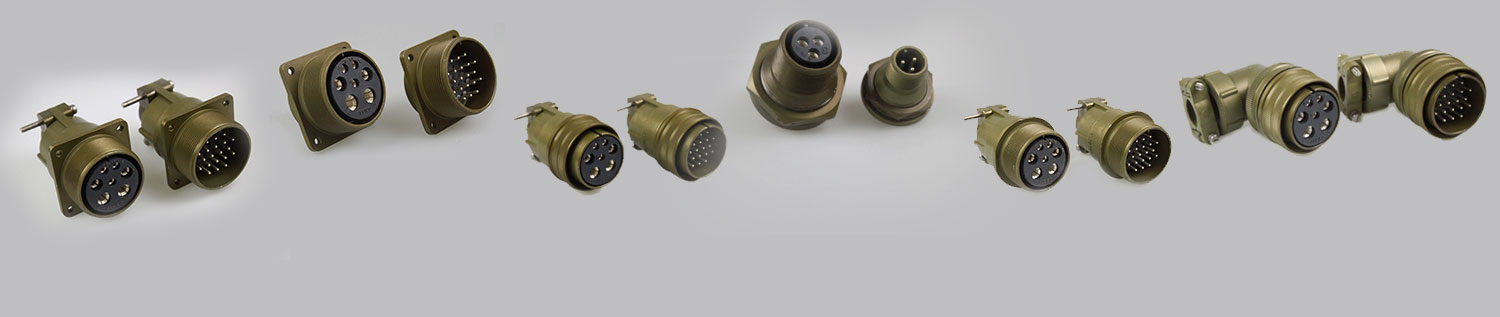
When it comes to high vibration environments like rail and defence, the right connector can make all the difference in performance, safety, and long-term durability. Systems in these sectors operate under continuous stress, frequent shocks, and harsh external conditions. That is why choosing between MG connectors and MS connectors becomes a critical decision for engineers and system designers.
Both MG and MS connectors are well known for their rugged build and consistent performance, but they serve slightly different purposes depending on the technical needs of the application. Understanding the difference between the two can help in selecting the best fit for systems where vibration, dust, and extreme temperatures are part of daily operations.
MG connectors are typically used in military-grade and defence-related applications. These connectors are known for their threaded coupling and excellent resistance to impact and vibration. Their robust construction makes them ideal for use in tanks, armoured vehicles, communication equipment, and field control units. MG connectors are built to prevent accidental disconnection and signal loss even in the most demanding environments.
On the other hand, MS connectors are based on military specifications but are often used in both defence and industrial settings. They are designed for general-purpose applications and are more lightweight compared to MG connectors. While they still offer good performance in rugged conditions, MS connectors are more commonly found in environments where frequent connection and disconnection are required.
In railway connectors, the importance of vibration resistance cannot be overstated. Trains, metros, and light rail systems experience constant motion, sudden stops, and environmental exposure. Both MG and MS connectors are used in such systems, depending on where they are installed. MG connectors are preferred in critical systems such as braking, traction control, and onboard communications. Their sealed and secure design prevents moisture and dust ingress and ensures long-term reliability.
MS connectors may be used in areas such as lighting systems, signalling equipment, and interior electronic panels where conditions are less severe. They provide a reliable interface without adding unnecessary bulk or weight to the system.
One common feature shared by both types is that they fall under the category of ruggedized connectors. These connectors are built to handle mechanical stress, thermal expansion, and prolonged exposure to challenging conditions. The use of high-quality materials, precision contacts, and environmental seals makes them suitable for long service life with minimal maintenance.
In India, Allied Connectors has established itself as a trusted supplier of both MG and MS connector ranges. With decades of experience in supplying to the defence and rail sectors, the company offers solutions that are tested for durability, safety, and compliance with international standards. Their expertise in designing ruggedized connectors ensures that clients receive products that can withstand the pressure of real-world applications.
Both MG connectors and MS connectors play important roles in systems that require stability under vibration and harsh conditions. While MG connectors offer enhanced ruggedness for mission-critical defence and high-load rail systems, MS connectors provide reliable performance in general-purpose settings. Choosing the right connector depends on the specific application, but with support from trusted brands like Allied Connectors, engineers can be confident in the safety and efficiency of their systems.