

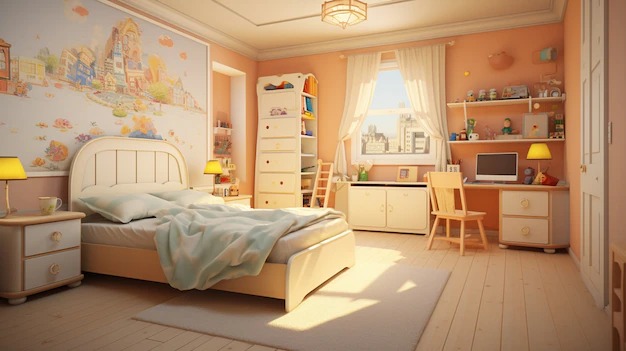
A well-designed bedroom should make everyday activities feel simple and comfortable. profixspace.com offers helpful inspiration for exploring bedroom designs, interior arrangements, and practical decorating possibilities. The way a bedroom is organized can affect everything from getting dressed to relaxing after a long day. Some rooms need better storage, while others require improved lighting or more comfortable furniture placement. The available space matters, but personal habits matter just as much. A bedroom used mainly for sleeping needs different arrangements from one that also serves as a workspace. Understanding these differences can help people create interiors that feel useful without unnecessary decoration.
Designing Around Daily Habits
Bedroom design becomes easier when people consider how they actually use their rooms. Someone who reads before sleeping may need a comfortable chair or a suitable bedside light. Another person might require a dressing area with enough space for clothing and accessories. Bedrooms shared by two people need arrangements that allow both individuals to move comfortably. These everyday requirements should influence furniture placement before decorative details are selected. It can help to observe which parts of the room feel inconvenient during normal activities. Moving forward with those observations makes the design more personal and practical. A room should support its occupants rather than force them to adjust constantly.
Creating A Separate Dressing Area
A dressing area can make bedroom routines more organized when enough space is available. It does not always require a separate room or expensive built-in furniture. A compact dressing table, wall mirror, suitable lighting, and a small storage unit may provide enough functionality. Positioning these items near the wardrobe can reduce unnecessary movement while getting ready. Bedrooms with limited space can use a narrow console or wall-mounted shelf instead of a large vanity. Lighting around the mirror should provide clear visibility without creating uncomfortable glare. Keeping frequently used accessories within easy reach also makes the area more convenient. Even a small dedicated corner can improve the overall arrangement.
Exploring Warm Natural Materials
Natural materials can give bedrooms a comfortable appearance without requiring elaborate decoration. Wooden furniture, woven baskets, cotton fabrics, and simple natural textures can work together in different interior styles. The exact material should suit the room’s climate, maintenance requirements, and available budget. Some wooden finishes create a traditional appearance, while lighter finishes can support contemporary interiors. Combining several materials can add visual interest without relying on numerous decorative objects. However, too many competing textures may make a small bedroom appear unnecessarily busy. Choosing a few compatible materials usually creates a more connected appearance. Practical finishes also matter because bedroom furniture receives regular use.
Making Wardrobes More Efficient
Wardrobes become more useful when their internal arrangement reflects the clothing people actually own. Hanging space, shelves, drawers, and accessory compartments can each serve different storage purposes. Long garments may require taller sections, while folded clothing can fit comfortably on adjustable shelves. Drawers are often useful for smaller items that otherwise become mixed together. Seasonal clothing can occupy higher shelves when it is not needed regularly. Before installing a new wardrobe, measuring the available wall and checking door clearance can prevent unnecessary problems. Sliding doors may help where there is little room for traditional opening doors. A well-organized wardrobe can reduce clutter without increasing the furniture footprint.
Improving Airflow Around Furniture
Airflow is an important consideration when arranging bedroom furniture. Large wardrobes, storage units, and beds should not unnecessarily block windows or available ventilation openings. Rooms with limited ventilation may feel uncomfortable when furniture is placed too close together. Leaving suitable gaps around furniture can also make cleaning easier and reduce difficult-to-reach areas. In humid conditions, appropriate ventilation becomes particularly important for maintaining a comfortable indoor environment. Furniture placement should therefore consider windows, doors, and existing ventilation arrangements before the final layout is chosen. A visually attractive arrangement is less useful when it makes the room difficult to ventilate or maintain.
Choosing A Suitable Headboard
A headboard can influence the appearance and everyday comfort of a bedroom. Upholstered designs may provide a comfortable surface for sitting upright, while wooden versions can create a simpler appearance. The height should work with the bed, ceiling, and surrounding furniture. Very large headboards can dominate smaller rooms, particularly when they include extensive decorative detailing. Wall-mounted designs may provide an alternative when floor space needs to remain available. People should also consider cleaning requirements because fabric surfaces can collect dust during regular use. A suitable headboard should complement the bed without making the room feel crowded. Simple designs can remain useful even when other bedroom decorations change.
Planning Shared Bedroom Space
Bedrooms used by couples, siblings, or other household members require additional attention to individual needs. Both occupants should have reasonable access to the bed, storage, lighting, and commonly used belongings. Separate bedside storage can help prevent everyday items from becoming mixed together. Shared wardrobes may benefit from clearly divided sections according to available space and clothing requirements. Different sleeping schedules can also influence lighting and furniture decisions. For example, a separate reading light may allow one person to read while another rests. Personal preferences should remain part of the planning process. A shared bedroom works more comfortably when its arrangement considers both occupants instead of prioritizing one person’s routine.
Using Wall Space Creatively
Walls can provide useful storage and decoration opportunities without taking up additional floor space. Floating shelves can hold books, small plants, framed photographs, or other lightweight belongings. Wall-mounted lights may also free up bedside table surfaces. However, shelves should be installed securely and positioned where they do not create obstacles around the bed. Heavy objects require appropriate mounting arrangements rather than ordinary decorative hooks. Empty walls do not always need to be filled completely. Leaving some surfaces clear can make the room feel more open. The most practical approach is using wall space where it solves an actual storage or lighting problem.
Making Bedroom Cleaning Easier
Cleaning requirements should influence bedroom design from the beginning. Furniture with accessible spaces underneath can make floor cleaning simpler when compared with arrangements containing many narrow gaps. Smooth surfaces are generally easier to wipe than heavily detailed furniture with numerous decorative edges. Keeping unnecessary objects away from windows and corners can also reduce dust accumulation. Rugs should be sized so they can be moved or cleaned without excessive effort. People who prefer low-maintenance interiors may benefit from fewer decorative pieces and straightforward storage systems. A bedroom should remain manageable after the initial decorating work is finished. Practical cleaning arrangements help preserve its appearance during everyday use.
Updating Interiors Without Replacing Furniture
A bedroom can receive a fresh appearance without replacing its main furniture pieces. Changing bedding, curtains, lampshades, artwork, or cushion covers can introduce different colors and textures. Rearranging smaller furniture may also improve the way the room feels. Neutral furniture can support several decorative styles because accessories can be changed gradually. Before buying new items, checking what already exists may reveal useful combinations. This approach allows people to experiment without making large purchases every time their preferences change. Keeping the main furniture relatively versatile can also make future room updates easier. Small adjustments often provide enough change for ordinary decorating needs.
Conclusion
Functional bedroom design depends on understanding daily routines, available space, furniture requirements, lighting, ventilation, and personal preferences. Dressing areas, efficient wardrobes, comfortable headboards, useful wall storage, and manageable cleaning arrangements can improve everyday bedroom use. Shared bedrooms also benefit from layouts that consider the needs of every occupant. Decorative changes can introduce variety without requiring complete furniture replacement. profixspace.com can provide additional inspiration for readers exploring bedroom designs and practical interior arrangements. With sensible planning, a bedroom can remain comfortable, organized, and visually appealing while supporting the activities that matter most to its occupants.
Read also :-