

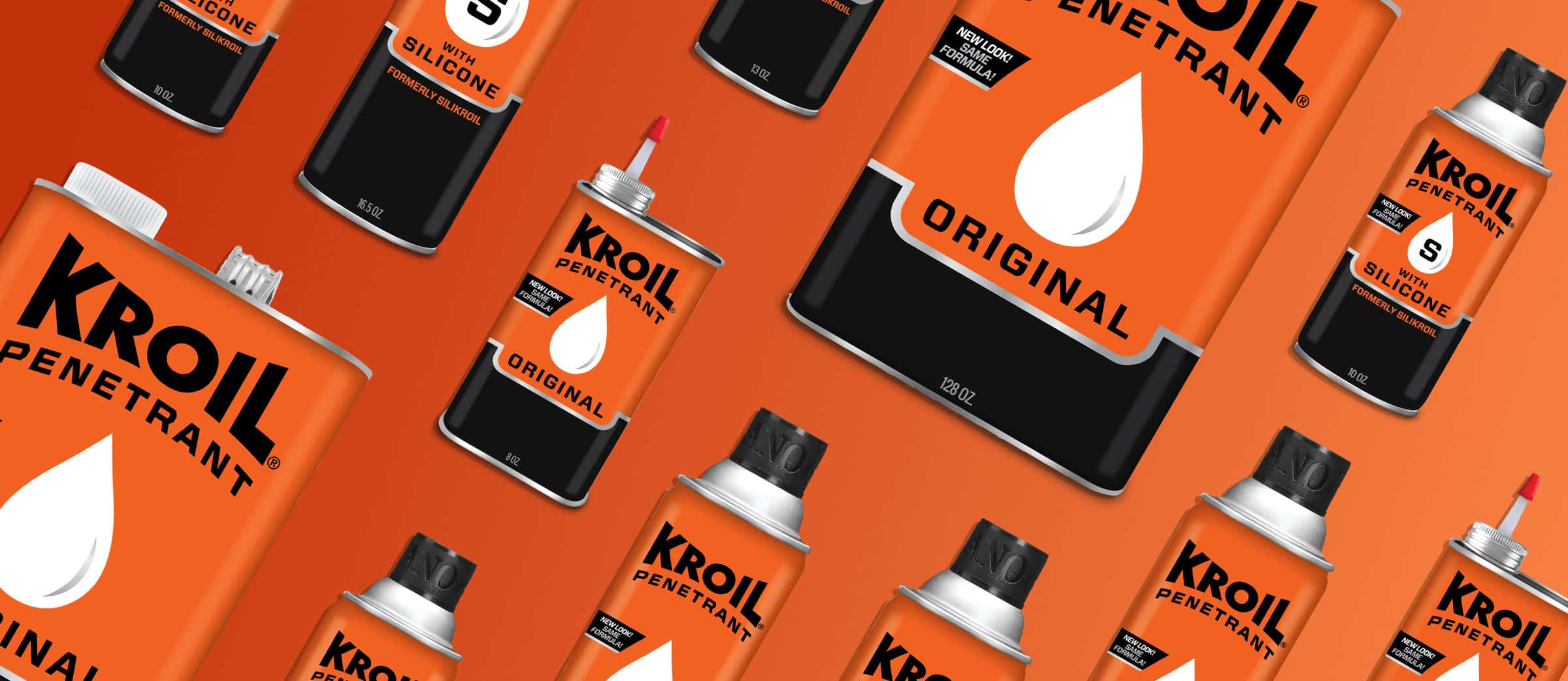
Many people approach a seized bolt or a rusted assembly with the assumption that applying a liquid will instantly reverse years of oxidation. The expectation is often that a quick spray of penetrating oil will dissolve thick rust on contact and allow for the immediate removal of stubborn fasteners. While these substances can be highly effective, the reality of how they function is more nuanced and often requires more patience than the average user anticipates.
The mechanics of how penetrating fluids interact with oxidation
The effectiveness of industrial penetrating oils is generally linked to their ability to overcome surface tension. When a metal component becomes seized, it is typically because microscopic layers of oxidation have expanded within the threads or between moving parts, creating a mechanical lock. A substance labeled as a penetrating oil is specifically formulated with low viscosity, allowing it to migrate into the incredibly tight spaces where rust has formed.
The fluid acts by essentially wicking into these crevices through capillary action. Once inside, the goal of the penetrating oil is to break the bond between the rust particles and the base metal. Many formulations also include lubricants that remain behind after the volatile solvents have evaporated, which helps reduce the friction required to break the fastener free. Understanding that this process is chemical and physical rather than magical is helpful; the fluid needs time to travel deep into the threads and soften the hardened oxidation before mechanical force is applied.
Why the application method often dictates success
A common pitfall is the belief that surface application is sufficient. In many scenarios, simply spraying the exterior of a bolt is ineffective if the rust has already bonded deep within a threaded housing. For industrial penetrating oils to perform as intended, they typically need a clear path to the interface of the parts.
If a fastener is vertically oriented, the fluid may naturally flow down the threads. However, if the assembly is horizontal or inverted, the liquid tends to bead up or drip away from the intended target. Thoughtful application often involves ensuring the fluid has time to settle into the problem area, sometimes requiring repeated applications over a period of hours or even days. If a user tries to force a seized part immediately after application, they may be relying solely on their own strength, which can sometimes lead to damaged threads or sheared bolt heads.
Considerations for different materials and environments
The type of metal involved can influence how a penetrating oil behaves. Different alloys respond differently to the chemical agents found in various products. For instance, some assemblies might have sensitive plastic or rubber components nearby that could be affected by certain solvents. A knowledgeable technician often checks the compatibility of the product with the surrounding materials before application. Furthermore, extreme temperature fluctuations—common in heavy machinery or outdoor environments—can change the viscosity of the fluid, potentially altering how well it penetrates the affected area.
Reframing the expectation of immediate results
The most effective way to approach stuck components is to shift the goal from instant release to preparation and preservation. When working with industrial penetrating oils, the most successful outcomes typically come from a cycle of application, waiting, and gentle persuasion.
Instead of applying maximum force immediately, some suggest using a light tap with a hand tool after the fluid has had time to soak. This vibration can sometimes help the penetrating oil move further into the rusted threads. If a part remains stubborn, re-applying the substance and allowing more dwell time is generally safer for the equipment than increasing torque to the point of structural failure. It is also worth considering the physical state of the fasteners themselves; if the rust is extensive and deep, even the best products may only provide limited assistance, and one should be prepared for the possibility that the part may need to be replaced rather than simply freed.
Distinguishing between lubricants and penetrants
One recurring point of confusion involves the difference between general-purpose lubricants and specialized penetrating agents. While some products are marketed as multi-use, specialized industrial penetrating oils are engineered specifically for the task of breaking rust bonds, often containing unique wetting agents that allow them to flow into spaces where traditional greases would sit on the surface.
When selecting a product, the most important question is whether the primary objective is to stop a squeak or to disassemble a seized joint. If the goal is disassembly, using a substance designed for high-viscosity lubrication might provide poor results because the product may never reach the interior of the seized threads. A focused penetrating agent is usually the better choice for breaking bonds, while a separate lubricant might be used afterward to ensure the new assembly operates smoothly during reinstallation.
Choosing the right approach involves weighing the time available against the risk of damaging the hardware. By using penetrating oil as a tool that assists mechanical effort rather than a substitute for it, one can often perform maintenance tasks with greater control and fewer complications. Patience in allowing the chemical process to unfold is usually the most significant factor in successfully preserving and maintaining mechanical assemblies.