

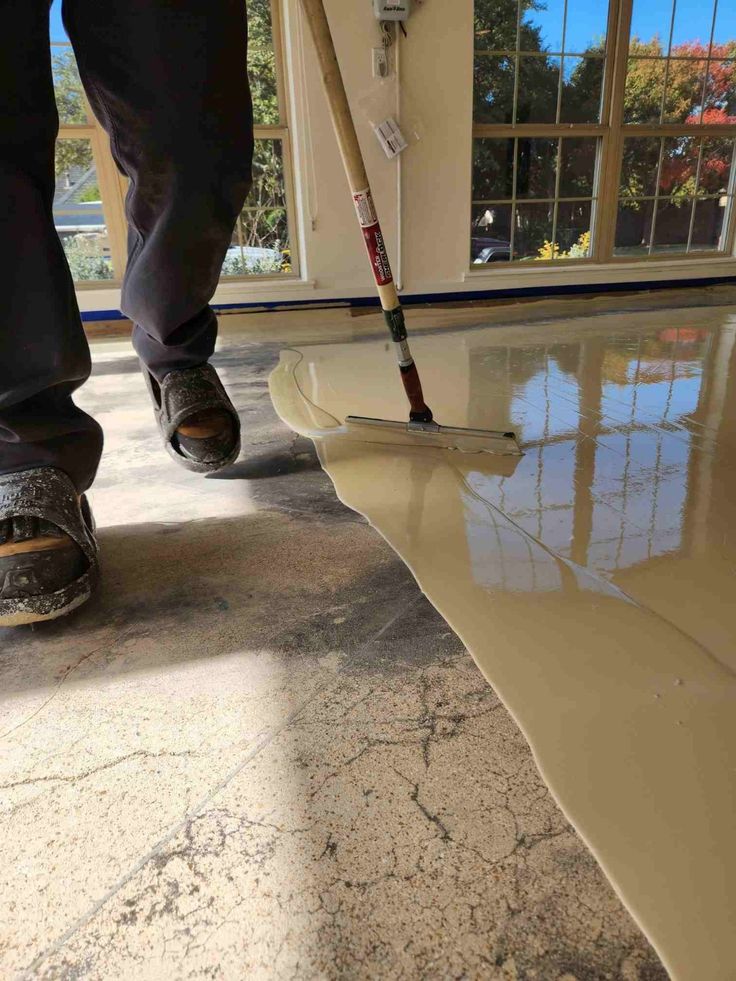
Outdoor concrete is exposed to conditions that indoor floors rarely face at the same intensity. Sunlight, heat, rain, foot traffic, dirt, and repeated temperature changes all affect the surface. For homeowners considering polyaspartic floor coatings, the important question is whether the system is suited to exterior use rather than simply whether it looks attractive.
Patios, driveways, walkways, pool decks, garages, and other concrete areas can face very different exposure conditions. Outdoor surfaces in particular need a coating strategy that accounts for sunlight, moisture, traffic, and weather rather than being treated exactly like indoor floors.
Start With the Environment, Not the Color Chart
An outdoor surface has to perform through changing weather and direct sun. A driveway may also deal with vehicle traffic, while a pool deck regularly sees water and bare feet.
For these spaces, outdoor concrete coatings should be selected with UV exposure, abrasion, moisture, and the intended use of the area in mind. A system that performs well inside a garage is not automatically the best option for a patio or walkway.
Understand Why Material Choice Matters Outside
Standard epoxy can be a useful interior flooring material, but prolonged direct sunlight can affect its color. Epoxy Surface Professionals therefore recommends polyaspartic-based systems for exposed outdoor concrete rather than relying on an indoor epoxy film outside.
Polyaspartic materials cure differently from traditional epoxy and can offer faster return-to-service times. The exact installation schedule still depends on slab condition, project size, edges, repairs, and site conditions, so owners should ask for project-specific guidance.
Inspect the Concrete Before Coating It
A new finish cannot correct every problem in an old slab. Cracks, peeling paint, weak surface material, stains, previous coatings, or low areas should be identified before the project begins.
Preparation may involve grinding, cleaning, patching, or removing an existing finish. If the slab has a more serious leveling or movement issue, that should be addressed separately rather than hidden beneath a coating.
Good preparation gives the new system a more suitable surface to bond to and also helps create a cleaner-looking finished result.
Think About Traction Around Wet Areas
Pool decks, steps, and walkways can become wet during normal use. That makes surface texture an important design decision rather than an afterthought.
Decorative flake systems can add visual variation while also contributing texture. The amount of traction needed should still be discussed according to where the floor is located and how people use it.
Too little texture may be unsuitable for a frequently wet area, while an unnecessarily aggressive surface may be less comfortable under bare feet or harder to clean.
Consider How Heat and Sun Affect the Space
Los Angeles outdoor areas can receive strong sunlight for long periods. Homeowners should therefore think about more than the coating chemistry; color choice and shade can also influence how comfortable a surface feels.
Very dark finishes may absorb more heat than lighter ones. Looking at samples in the actual outdoor setting can help owners judge how a color works with the home, landscaping, furniture, and surrounding hardscape.
Plan Around Drainage
A coating does not automatically correct poor slope or standing-water problems. If rain or pool water already collects in low areas, that condition should be discussed before resurfacing begins.
Drains, edges, transitions, and expansion joints all deserve attention. Treating these details carefully can help the finished surface work more naturally with the existing concrete layout.
Ask About the Installation Sequence
Outdoor coating projects normally require clear access to the slab. Furniture, planters, vehicles, and other items may need to be moved before grinding or preparation starts.
Owners should also confirm when foot traffic, furniture, or vehicles can return. Polyaspartic systems are known for relatively fast curing, but the installer’s instructions for the specific project should always control the timeline.
Keep Maintenance Straightforward
Outdoor floors collect dust, leaves, soil, tire residue, and spills. Routine sweeping and appropriate washing can help keep the surface looking cleaner.
Cleaning products should be compatible with the installed system. It is also useful to inspect the floor periodically so isolated damage or wear can be discussed before it becomes a larger issue.
Conclusion
Exterior concrete deserves a coating strategy built around outdoor conditions. Sunlight, moisture, traffic, drainage, texture, colour, slab condition, and maintenance can all affect which system is appropriate.
Property owners planning patios, walkways, driveways, pool decks, or other exterior surfaces can explore suitable solutions through epoxysurfaceprosca.com. Selecting a system designed around real outdoor exposure can create a more practical and finished surface.