

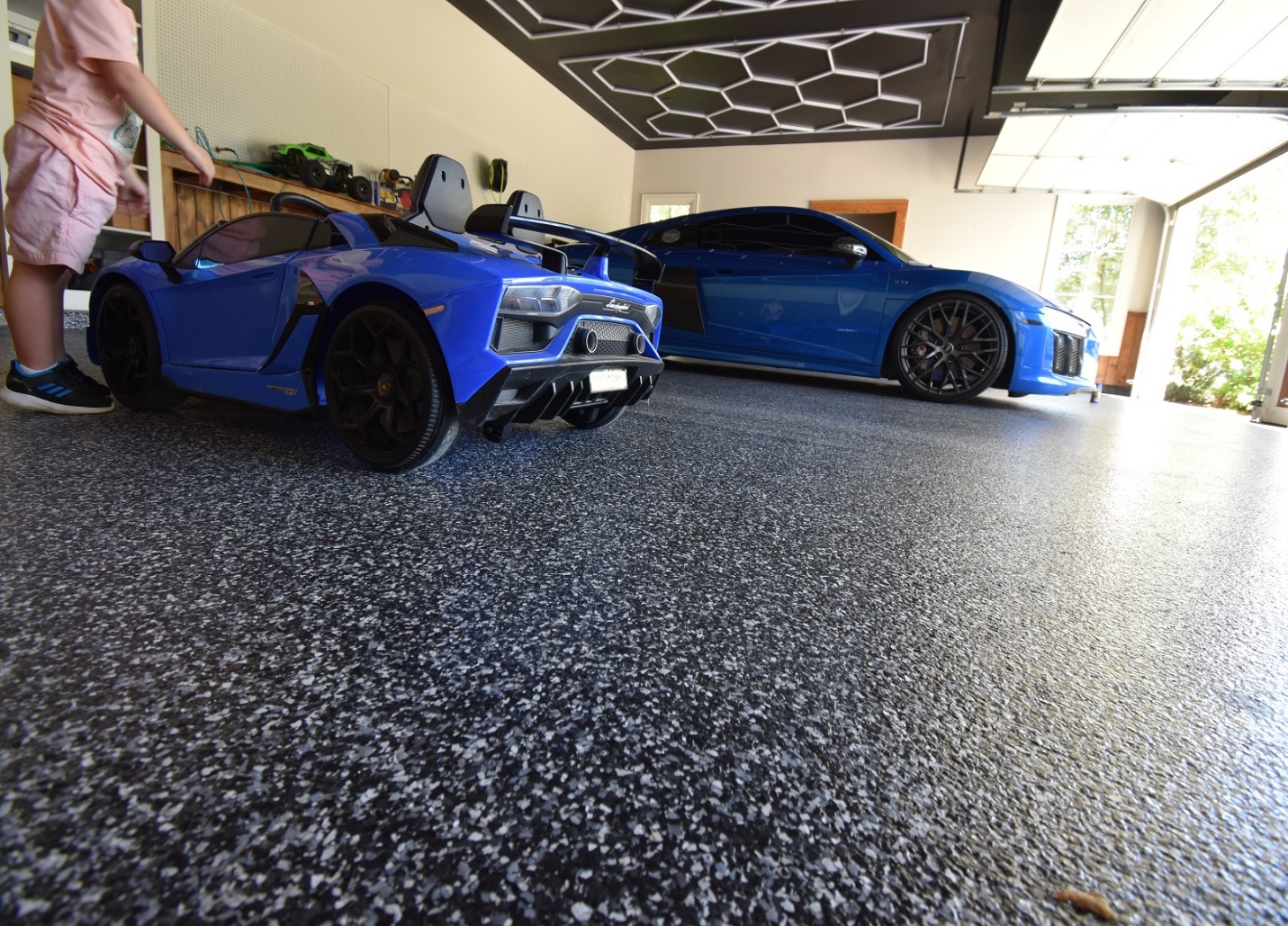
A garage often serves as much more than a place to park a vehicle. Many homeowners use it for storage, hobbies, workshops, exercise areas, or additional household space. Because of this, the floor needs to suit the way the garage is actually used. Choosing a suitable coating involves considering the existing concrete, traffic, moisture, maintenance, appearance, and local conditions. For homeowners comparing flooring solutions, understanding these factors can make the decision more practical and help create a garage surface that works well for everyday use.
Start With Garage Flooring Cincinnati
When comparing garage flooring Cincinnati options, begin by looking closely at the existing concrete. Cracks, stains, surface wear, old coatings, and moisture concerns can affect which flooring system is suitable.
The garage’s purpose should also influence the choice. A space used mainly for parking may have different requirements from a garage that doubles as a workshop or home gym. Heavy equipment, vehicle traffic, dropped tools, and frequent cleaning can all affect the surface.
A professional inspection can help identify preparation requirements before any coating is selected.
Consider Cincinnati Conditions
Local weather can influence garage flooring decisions. Cincinnati experiences seasonal changes that can bring rain, snow, freezing temperatures, and fluctuating moisture conditions. Vehicles can also bring water, road residue, salt, and dirt into the garage during colder months.
These conditions make surface preparation and material selection particularly important. The coating should be appropriate for the environment and the way the garage is used.
Homeowners should ask how the proposed system handles moisture and temperature changes. A contractor can also explain whether the existing concrete needs specific preparation before installation.
Think About Garage Floor Cincinnati Options
The phrase garage floor Cincinnati can cover several different flooring approaches, so homeowners should compare systems rather than assuming one option suits every garage.
Epoxy, polyaspartic, and other coating systems can have different characteristics related to installation, appearance, curing, and maintenance. Some homeowners may prioritize decorative finishes, while others care more about straightforward cleaning and everyday durability.
Ask the installer to explain the differences between available systems and why one may be better suited to the garage’s intended use.
Look at Surface Preparation
Preparation is one of the most important parts of a garage flooring project. Concrete can contain oil residue, dirt, paint, previous coatings, and other contaminants that need to be addressed.
Mechanical preparation may be required to create a suitable surface for the new coating. Cracks and damaged areas may also need repair before installation begins.
Ask what preparation process will be used and whether moisture testing is appropriate. Understanding this stage helps homeowners recognize that the finished result depends on more than the coating material alone.
Consider Moisture and Drainage
Garages can experience moisture from vehicles, rain, snow, cleaning, and humidity. If moisture moves through or remains beneath the concrete, it can create challenges for certain flooring systems.
Drainage should also be considered. Water should have an appropriate path away from areas where it could collect.
Before installation, discuss any visible moisture concerns with the contractor. Addressing potential issues early can make the flooring project more predictable and help determine whether additional preparation is needed.
Choose a Practical Finish
Appearance is important, especially when homeowners are turning their garages into organized living or working spaces. Coatings can offer different colors, textures, decorative flakes, and sheen levels.
However, the finish should also fit the intended use. A workshop may benefit from a surface that makes dirt and small spills easier to notice and clean. A recreational garage may place greater emphasis on visual appeal and comfort.
Request physical samples when possible. Viewing samples under the garage’s actual lighting can make the final choice easier.
Plan for Maintenance
A garage floor should fit the homeowner’s maintenance routine. Regular sweeping or dust removal can help prevent abrasive dirt from remaining on the surface.
Spills should be cleaned according to the flooring manufacturer’s recommendations. Automotive fluids, chemicals, and cleaning products may require particular attention.
Ask the contractor which cleaning products are appropriate and whether there are substances that should be avoided. Simple maintenance guidance can help protect the appearance of the floor over time.
Consider Professional Installation
Professional installation can be valuable when the concrete requires substantial preparation or when homeowners are unsure which coating system fits their garage.
Ask about the installer’s experience with residential garages, preparation methods, curing requirements, and expected maintenance. It is also useful to review examples of completed projects rather than relying only on promotional images. A detailed consultation can help clarify the project timeline, surface requirements, and finish options before work begins.
Conclusion
Choosing a garage floor should begin with the actual conditions of the space rather than a preferred color or finish. Consider the concrete condition, Cincinnati weather, moisture exposure, traffic, intended use, and maintenance requirements before selecting a system. A well-planned flooring project can turn an ordinary garage into a cleaner and more functional part of the home. If you are comparing coating options for your property, kingcustomcoatings.com can be explored to learn more about available garage flooring services and discuss suitable solutions for your space.