

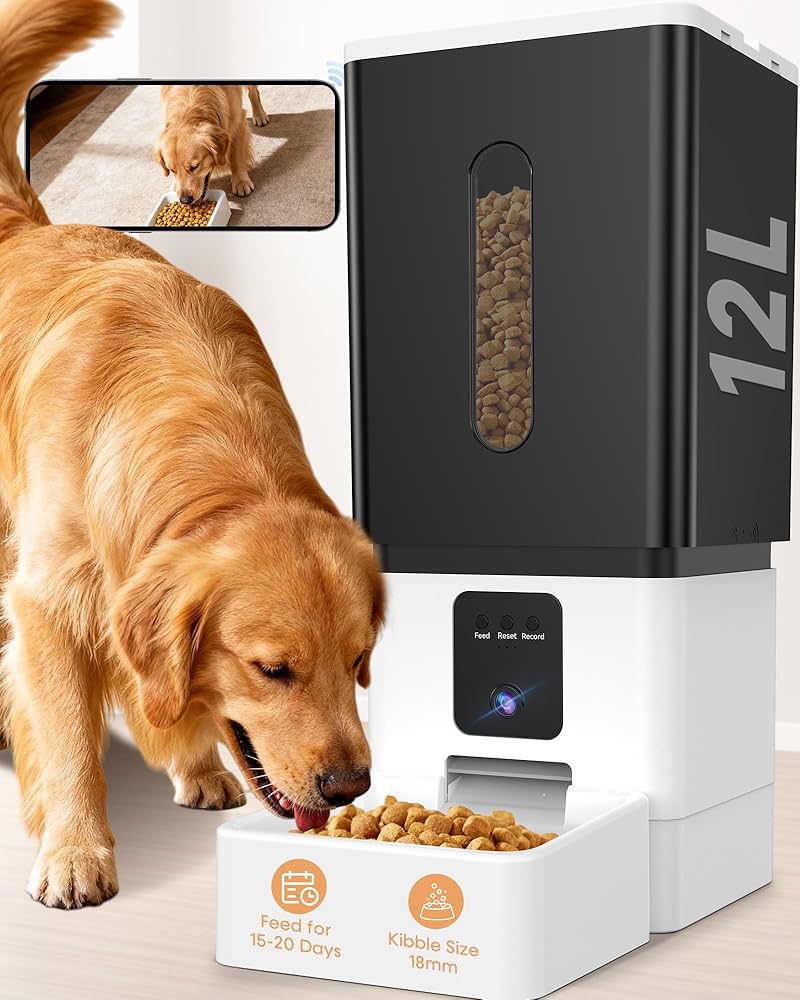
Life gets busy. Between work, errands, family responsibilities, and travel, sticking to a strict feeding schedule isn’t always easy. Yet dogs thrive on routine, especially when it comes to mealtime.
This is where an automatic dog feeder can help. These devices are designed to dispense food at scheduled times, helping pet owners maintain consistent feeding habits even when they aren’t home.
But are smart feeders really worth the investment? Can a dog automatic feeder improve your pet’s routine, or is it just another gadget? Let’s look at the facts and find out whether an automatic dog feeder for large breeds or small dogs is the right choice for your household.
What Is an Automatic Dog Feeder?
An automatic dog feeder is a device that stores dog food and releases pre-portioned meals according to a schedule set by the owner.
Most modern feeders allow you to:
- Schedule feeding times
- Control portion sizes
- Store multiple meals
- Prevent overeating
- Maintain feeding consistency
Some advanced models even connect to mobile apps, allowing owners to monitor and adjust feeding schedules remotely.
How an Automatic Dog Feeder Works
The basic concept is simple.
You fill the feeder’s storage compartment with dry kibble, set your desired feeding schedule, and the device automatically dispenses the selected amount of food at the chosen times.
Depending on the model, a dog automatic feeder may include:
- Digital timers
- Wi-Fi connectivity
- Voice recording features
- Portion control settings
- Backup battery systems
These features help ensure your dog receives meals even during power outages or unexpected schedule changes.
Benefits of Using an Automatic Dog Feeder
Consistent Feeding Schedule
Dogs thrive on routine. Feeding at the same times every day can help support digestion and reduce anxiety.
An automatic dog feeder removes the guesswork and keeps meals on schedule.
Better Portion Control
Many dogs will eat more than they need if given the opportunity.
Precise portion control can help:
- Reduce obesity risk
- Prevent overeating
- Support healthy weight management
This is especially useful for dogs on veterinary-recommended diets.
Helpful for Busy Owners
Work meetings, traffic delays, and changing schedules can interfere with feeding times.
A dog automatic feeder ensures your dog gets fed even when you’re running late.
Supports Multi-Meal Feeding Plans
Some dogs benefit from smaller meals throughout the day.
Automatic feeders make it easy to divide daily food intake into several portions without requiring someone to be home.
Reduces Early Morning Wake-Up Calls
Many dog owners know the feeling of being awakened before sunrise by a hungry pet.
Scheduled feeding can help reduce food-related demands and create a more predictable routine.
Potential Drawbacks to Consider
Not a Replacement for Human Interaction
An automatic dog feeder provides food, but it cannot replace companionship, exercise, or supervision.
Dogs still need attention, playtime, and daily interaction.
Limited to Dry Food
Most feeders work best with dry kibble.
Wet food often requires specialized equipment and may not remain fresh for extended periods.
Technical Issues Can Occur
Like any electronic device, feeders may experience:
- Power failures
- Connectivity problems
- Mechanical malfunctions
Choosing a model with battery backup can reduce these risks.
Some Dogs Learn Tricks
Highly intelligent dogs occasionally figure out how to access stored food.
Look for secure locking systems if your dog is particularly determined.
Is an Automatic Dog Feeder Right for Large Breeds?
Large dogs often have different feeding requirements from smaller breeds.
An automatic dog feeder for large breeds should offer:
Larger Food Capacity
Big dogs consume more food.
A larger hopper reduces the need for constant refilling.
Bigger Portion Sizes
Some feeders are designed for small portions only.
Check maximum serving sizes before purchasing.
Durable Construction
Large breeds can be strong and curious.
A sturdy feeder is less likely to be tipped over or damaged.
Reliable Scheduling
Consistency becomes especially important for active large breeds with higher calorie needs.
A quality automatic dog feeder for large breeds can help maintain a dependable routine.
Features to Look for Before Buying
Portion Control Options
The best feeders allow you to customize meal sizes accurately.
This helps prevent underfeeding or overfeeding.
Battery Backup
Power outages can happen unexpectedly.
A backup battery ensures meals continue on schedule.
Easy Cleaning
Food containers and bowls should be removable and simple to wash.
Good hygiene helps prevent bacteria buildup.
Secure Food Storage
A sealed container helps keep food fresh and protects it from moisture and pests.
Mobile App Connectivity
Many smart feeders now offer app-based controls.
This allows owners to:
- Adjust schedules remotely
- Monitor feeding activity
- Receive alerts
Voice Recording Feature
Some feeders allow owners to record a message that plays at mealtime.
Hearing a familiar voice can encourage hesitant eaters to approach the feeder.
Best Situations for Using an Automatic Dog Feeder
Busy Work Schedules
Owners who spend long hours at work often benefit from automatic feeding solutions.
Weight Management Programs
Precise portions can support veterinarian-directed nutrition plans.
Multiple Daily Meals
Dogs with medical conditions sometimes require frequent smaller meals.
Travel and Short Trips
An automatic dog feeder can provide peace of mind during overnight stays or short trips, though it should never replace proper pet care for extended absences.
Senior Dogs with Routine Needs
Older dogs often do best with predictable feeding schedules.
Automated feeding can help maintain consistency.
Common Myths About Automatic Feeders
“They Make Owners Lazy”
The purpose of an automatic feeder is convenience and consistency, not avoiding responsibility.
Responsible pet ownership still includes exercise, training, healthcare, and companionship.
“Only Tech-Savvy People Can Use Them”
Most modern feeders are simple to set up and operate.
Basic models require only a few button presses.
“Dogs Prefer Hand Feeding”
Many dogs adapt quickly to automated feeding schedules and enjoy the reliability they provide.
Frequently Asked Questions
1. Is an automatic dog feeder safe for daily use?
Yes. A quality automatic dog feeder is generally safe when used according to the manufacturer’s instructions and cleaned regularly.
2. Can a dog automatic feeder help with weight control?
Yes. Portion-controlled feeding can reduce overeating and support healthy weight management.
3. What type of food works best in an automatic feeder?
Most feeders are designed for dry kibble. Always check the manufacturer’s recommendations before use.
4. Are automatic dog feeders suitable for large breeds?
Yes. Many models are specifically designed as an automatic dog feeder for large breeds, offering larger capacities and portion sizes.
5. Can I leave my dog alone with an automatic feeder for several days?
An automatic feeder can provide meals, but dogs still need supervision, exercise, fresh water, and companionship. It should not replace proper care during extended absences.