

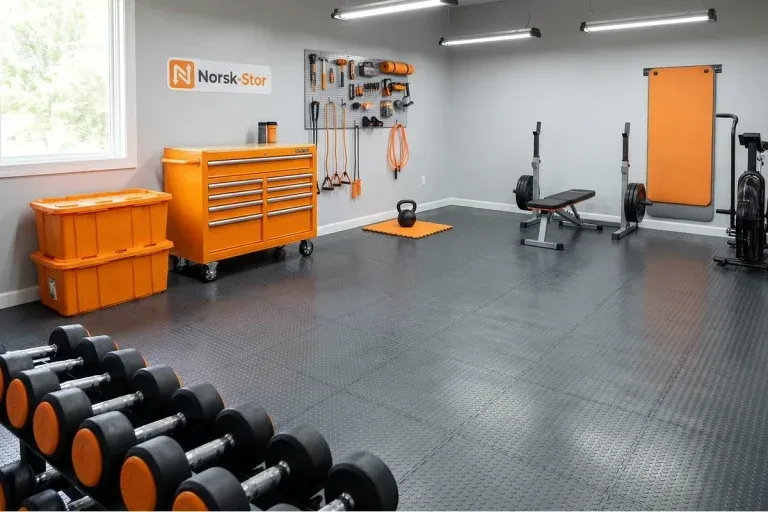
The surface people exercise on can significantly affect both comfort and safety during workouts. Poor flooring may cause slips, impact injuries, or damage to equipment over time.
Many fitness spaces use gym flooring tiles because they provide cushioning, durability, and easy installation for different workout areas.
Understanding the benefits of proper gym flooring and how foam-based surfaces support exercise environments can help individuals and gym owners create safer and more comfortable training spaces.
Why Quality Gym Flooring Matters
Workout areas experience constant pressure from equipment, foot traffic, and repeated impact. Using strong gym flooring tiles helps protect both the floor underneath and the people exercising on it.
These tiles are designed to absorb shock from movements such as jumping, weightlifting, or high-intensity training. The cushioning reduces strain on joints while also preventing damage to heavy equipment. Proper flooring also improves traction, which helps reduce the risk of slipping during fast or intense workouts.
Key Features to Look for in Gym Flooring Tiles
When choosing gym flooring, several factors determine whether the surface will perform well in a workout environment.
Important features include:
- Shock absorption to reduce impact on joints
- Non-slip texture for better traction during workouts
- Durability to handle heavy weights and equipment
- Easy installation and maintenance
- Noise reduction for home or commercial gyms
These qualities ensure the flooring remains reliable even during demanding exercise routines.
Benefits of Modular Gym Tile Systems
Modular flooring systems offer flexibility for both home and commercial gyms. Individual tiles can be arranged to fit different spaces and easily replaced if damaged.
This design allows users to expand or adjust their workout areas whenever necessary. Modular tiles also simplify installation because they often interlock without requiring adhesive or complex tools. For many fitness enthusiasts, this convenience makes tile-based flooring a practical and long-lasting solution for workout spaces.
Why Foam Gym Floor Options Are Popular
Many fitness spaces rely on foam gym floor materials because they offer excellent cushioning and comfort. Foam surfaces are especially helpful in areas used for stretching, yoga, bodyweight exercises, and martial arts training.
The soft structure absorbs impact from movements such as jumping or falling, which helps protect joints and muscles. Foam flooring also creates a more comfortable environment for floor-based exercises, making it ideal for home gyms or training studios where comfort is a priority.
Where Foam Gym Flooring Works Best
Foam-based gym surfaces are commonly used in areas that require extra cushioning and safety.
Typical applications include:
- Home workout spaces and personal gyms
- Yoga and stretching studios
- Martial arts and training areas
- Children’s play or activity zones
- Fitness classes involving bodyweight exercises
These environments benefit from foam’s shock absorption and comfortable support.
Maintenance and Durability of Foam Gym Floors
Proper maintenance helps extend the life of gym flooring. Foam flooring typically requires simple cleaning with mild solutions to remove dust, sweat, or debris.
Because foam tiles are lightweight, they can also be removed and cleaned individually when needed. High-quality foam materials resist wear and maintain their cushioning over time. With proper care, foam flooring can remain functional and comfortable for many years of regular use.
Creating a Safe and Functional Workout Space
Selecting the right flooring is an important step when designing a gym or workout area. Proper surfaces support safe movement, reduce injury risks, and protect equipment from damage.
Combining durable materials with adequate cushioning helps create an environment where users can exercise confidently. Whether the space is used for weightlifting, stretching, or high-intensity training, appropriate flooring improves both comfort and performance.
Conclusion: Building a Better Workout Space With Proper Flooring
A well-designed workout environment starts with the right foundation. Durable floor surfaces help protect equipment and provide the stability needed for various types of exercise.
Comfortable foam-based flooring also supports activities that involve stretching, balance, and impact movements. When individuals choose quality gym tile flooring together with supportive foam surfaces, they create workout spaces that are safer, more comfortable, and better suited for long-term fitness routines. Taking time to select the right flooring helps ensure a reliable exercise environment.