

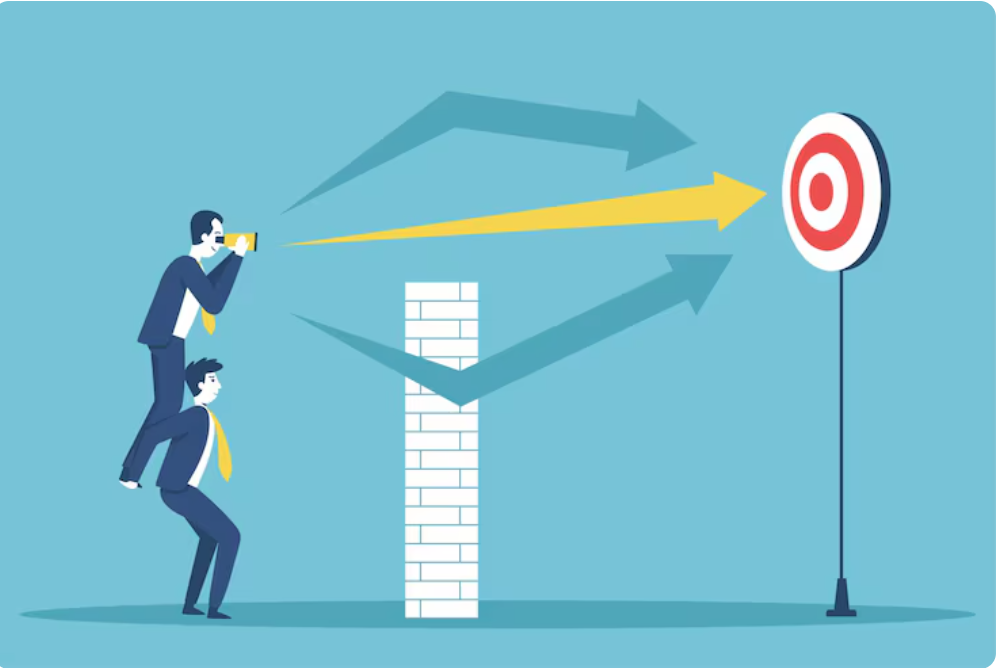
In leadership, success cannot be measured by vision alone. Ambitious ideas may inspire, but without tangible results, they remain unfulfilled promises. Likewise, relentless execution without a guiding vision often delivers efficiency without direction. Gregory Hold, CEO and founder of Hold Brothers Capital, highlights that leadership requires balance. The most effective leaders measure success not just by what gets done, but by how those actions contribute to a larger vision.
This balance is difficult to achieve. Vision is abstract and difficult to quantify, while execution thrives on concrete numbers. Yet organizations that fail to measure both risk drifting into extremes, dreaming without doing, or doing without dreaming. Leaders who embrace balanced measurement create cultures where innovation and discipline reinforce each other.
Why Balance Matters
Visionary progress and operational excellence are often viewed as opposites. One suggests big-picture creativity, and the other is a methodical discipline. But in reality, they are interdependent. Vision defines purpose, while execution provides credibility.
Organizations that measure only execution risk lose their ability to inspire. They may hit targets but fail to develop. On the other hand, measuring only vision leaves teams chasing vague aspirations with no accountability. Balance helps deliver both inspiration and impact. By tracking both dimensions, leaders prevent drift in either direction or maintain long-term momentum.
Indicators of Visionary Progress
Measuring vision is inherently challenging. Traditional metrics do not always capture inspiration or strategic foresight. Still, there are ways leaders can track whether a vision is moving from concept to reality.
Indicators include employee engagement in the vision, the number of new initiatives aligned with long-term strategy and the degree to which external stakeholders, such as investors or customers, recognize progress toward big goals. Leaders can also measure cultural indicators: Do employees speak the language of the vision, phuket office space to rent and do they connect their daily work to larger aspirations?
Storytelling can itself become a metric. When vision is clear, employees and leaders alike can articulate the future they are working toward. The spread of this shared narrative signals visionary progress, even before hard results emerge.
Metrics of Operational Excellence
Execution requires metrics that are precise and consistent. Leaders should measure adherence to timelines, quality standards, resource utilization and customer satisfaction. Financial performance remains a critical metric, but operational excellence is also visible in efficiency gains, error reduction and the smooth functioning of systems.
Operational metrics give leaders confidence that day-to-day work is being handled reliably. They provide the discipline that prevents vision from drifting into chaos. Without these metrics, execution risks become anecdotal, dependent on perception rather than fact.
Balanced leaders enable operational excellence to be both visible and valued. By making execution measurable, they send the message that follow-through is as important as innovation.
Leading Indicators vs. Lagging Indicators
An essential distinction in balanced measurement is between leading and lagging indicators. These indicators, such as revenue or market share, reveal what has already happened. They provide essential validation but do not guide future action.
Leading indicators, on the other hand, predict future performance. For vision, leading indicators may include levels of employee alignment or investments in research and development. For execution, they may consist of cycle times or customer response rates. Leaders who track both gain foresight, not just hindsight.
Balanced measurement requires combining both perspectives. Lagging indicators confirm whether strategies are working, while leading indicators signal whether the organization is on track. Together, they create a fuller picture of success.
Balancing Quantitative and Qualitative Insights
Numbers are powerful, but they cannot capture everything. Some of the most critical dimensions of vision and execution are qualitative. Leaders should measure trust, adaptability and cultural alignment alongside revenue or productivity.
Employee surveys, customer interviews and leadership reflections add context to complex data. For example, a company may be hitting quarterly targets but failing to inspire its workforce. This could be a warning sign that execution is outpacing vision. Similarly, glowing engagement surveys without operational results may signal that vision has yet to take root in practice.
Accountability in Balanced Measurement
Balanced measurement is not only about collecting data but also about creating accountability. Leaders must help both vision and execution be owned across the organization. Without accountability, metrics become more symbolic than actionable.
Gregory Hold of Hold Brothers Capital emphasizes that leaders need to measure outcomes in a way that connects daily execution to long-term aspirations. Accountability systems must reinforce this connection, helping teams see the relevance of their work to the bigger picture. When accountability spans both dimensions, employees are motivated to execute consistently while never losing sight of the vision.
Technology as a Measurement Tool
Technology has transformed the way leaders measure vision and execution. Digital dashboards allow real-time tracking of key performance indicators. Predictive analytics can anticipate challenges, while collaboration platforms give visibility into progress across teams.
Importantly, technology also helps leaders balance. Dashboards can display both operational metrics and visionary indicators side by side. This integration prevents organizations from overemphasizing one at the expense of the other. By using technology wisely, leaders gain the perspective needed to manage complexity without losing focus.
The Cultural Side of Measurement
Measurement is not just technical, but cultural. What leaders choose to measure sends powerful signals about what they value. If only operational metrics are tracked, employees may assume that vision is unimportant. If only visionary indicators are emphasized, discipline may erode.
Leaders shape culture by what they measure, how they measure it and how they communicate results. Celebrating both innovation and consistency creates a balanced culture where employees feel encouraged to dream while also expected to deliver.
The Road Ahead: Balanced Success
Balanced measurement is not about achieving perfect symmetry but about maintaining dynamic tension. At times, execution may need more focus. At other times, vision may take precedence. Leaders who continuously recalibrate prevent imbalance from becoming permanent.
Gregory Hold of Hold Brothers Capital underscores that true success is defined by progress on both fronts. When vision is measured as clearly as execution, organizations achieve collective momentum. They deliver not only results but also purpose, inspiring confidence in employees, investors and customers alike.
Balanced measurement creates resilience. Organizations guided by both visionary metrics and operational data can adapt to change without losing direction. Leaders who measure what matters build companies that endure, combining creativity with discipline to achieve sustainable growth.