

The strength of America’s solar industry relies on maintaining a thoughtful balance between supply and demand, innovation and affordability, and manufacturing and installation. Steady, well-designed trade policies help keep the market predictable, support innovation, and make it easier for homeowners to access solar at a reasonable cost. Freedom Forever Solar, one of the nation’s largest residential providers, works within this landscape every day, seeing firsthand how clear rules can help projects stay on track and local jobs flourish.
When trade frameworks shift, the industry adjusts. These changes can influence pricing or timelines, but they also encourage ongoing resilience, efficiency, and collaboration across the supply chain. For homeowners, the core priorities remain the same: reliability, lower utility bills, and greater control over their energy use.
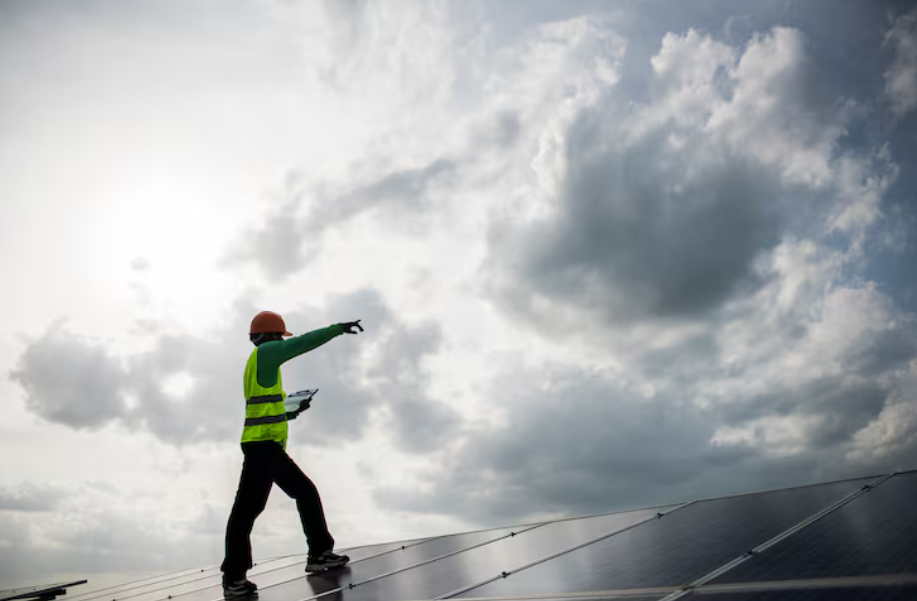
Behind each installation is a skilled workforce of electricians, roofers, and project managers who help power the clean energy economy. Supporting balanced, transparent trade policies helps ensure these professionals can continue delivering quality work while homeowners benefit from steady access to solar solutions.
The Relationship Between Trade and Affordability
Two forces have driven the growth of solar power over the past decade: innovation and affordability. When equipment pricing remains stable, more homeowners can install solar systems, and the demand for skilled labor increases. Each completed project feeds a cycle of economic activity that strengthens both local communities and national energy goals.
Trade consistency is the quiet engine that sustains this growth. Predictable rules enable companies to plan purchases, manage logistics, and accurately forecast pricing for future projects. For installers and contractors, it means steady work schedules and reliable access to materials. For families, it means the promise of affordable clean energy stays intact. When rules change suddenly or become unclear, projects slow down, financing becomes tight, and the affordability advantage that makes solar energy attractive begins to erode. Balance in trade isn’t just about economics. It’s about keeping opportunities open to middle-class homeowners who rely on predictable pricing.
Manufacturing Strength and Installation Opportunity
The solar industry supports two interconnected workforces: manufacturing and installation. Factories produce panels, inverters, and mounting equipment. Installers bring that technology to rooftops across America. When trade policy provides balance and clarity, both sides benefit.
Manufacturers gain confidence in investing in production capacity and research, and installers gain the consistency they need to meet customer demand without disruption. Together, these workforces sustain tens of thousands of jobs across every region of the country.
The Cost of Uncertainty
Trade discussions often center on national trends and industry-wide metrics, but their influence is felt just as strongly on local job sites. When material costs shift or timelines change, contractors must adjust schedules and budgets, which can introduce challenges for teams and the communities they serve. Many small solar businesses, including family-owned contractors, work within carefully planned margins, so steady, predictable conditions help support healthy demand and ongoing innovation. Finding the right balance allows the entire ecosystem—from manufacturers to neighborhood installers—to continue growing sustainably.
Homeowners frequently point to clear communication and dependable timelines as reasons they choose Freedom Forever Solar. Reviews often note the company’s consistency in completing projects efficiently and keeping customers informed each step of the way. That reliability stems not only from strong customer service but from stable operational conditions supported by predictable trade and supply environments. When supply chains run smoothly, project managers can confidently meet expectations and deliver on their commitments.
Job Creation Through Stability
Solar is one of the fastest-growing employment sectors in the country, driven by small businesses that specialize in residential and commercial installation. These jobs offer living wages, training opportunities, and career paths for workers in the trades.
When trade rules are clear and consistent, jobs expand. Contractors hire more technicians, electricians, and project managers to meet demand. Apprenticeship programs grow stronger because companies can confidently forecast future work. Each new hire represents more than an addition to payroll. It’s an investment in local economies.
The Importance of Supply Chain Reliability
Solar installations rely on a seamless flow of materials, panels, racking systems, batteries, and electrical components, all of which must arrive on time and in the proper sequence. Disruptions, even short ones, can stall projects for weeks. Reliable trade conditions maintain this flow, ensuring installers can complete projects without incurring costly delays. For project managers, a steady supply chain means they can plan multiple installations simultaneously, coordinate crews efficiently, and maintain consistent revenue for their teams.
It’s operational success depends on this reliability. A company’s scheduling systems and logistics coordination are built on the assumption that equipment will arrive as planned. Balanced trade rules make that confidence possible, protecting both homeowners and the workforce that serves them.
Policy Predictability and Market Confidence
Predictable trade policy encourages investment across the entire clean energy economy. Financial institutions, manufacturers, and installation firms all benefit when they can accurately forecast conditions. This predictability supports growth, innovation, and affordability, three pillars that define solar’s continued expansion.
When rules remain consistent, the industry can focus on progress rather than reaction. That focus drives long-term job security, steady pricing, and sustained technological improvement. For homeowners, it means clean energy remains within reach.
Protecting Affordability for Families
Affordability is the bridge between policy and participation. Balanced trade supports lower costs for components, which in turn makes installations more accessible to middle-class families. When prices remain stable, more homeowners can make the switch to Solar without financial strain.
This inclusivity is vital to both economic and environmental goals. Families who once viewed solar as unattainable are now able to invest in systems that save money and improve reliability. Balanced trade rules help preserve accessibility. Every installed system represents more than personal savings. It’s another step toward community resilience and national energy independence.
A Balanced Future for Solar Growth
As America’s clean energy ambitions expand, maintaining equilibrium in trade policy remains essential. The solar industry’s success depends on an environment where manufacturers can innovate, installers can plan, and homeowners can afford the systems that bring power to their roofs.
Freedom Forever continues to demonstrate how stability fuels growth, both for its nationwide workforce and for the families it serves. When trade frameworks are clear and balanced, everyone benefits. Workers gain secure jobs, communities gain economic strength, and homeowners gain affordable energy independence. Solar growth is built on balance and maintaining that balance ensures the nation’s clean energy future remains both strong and within reach.