

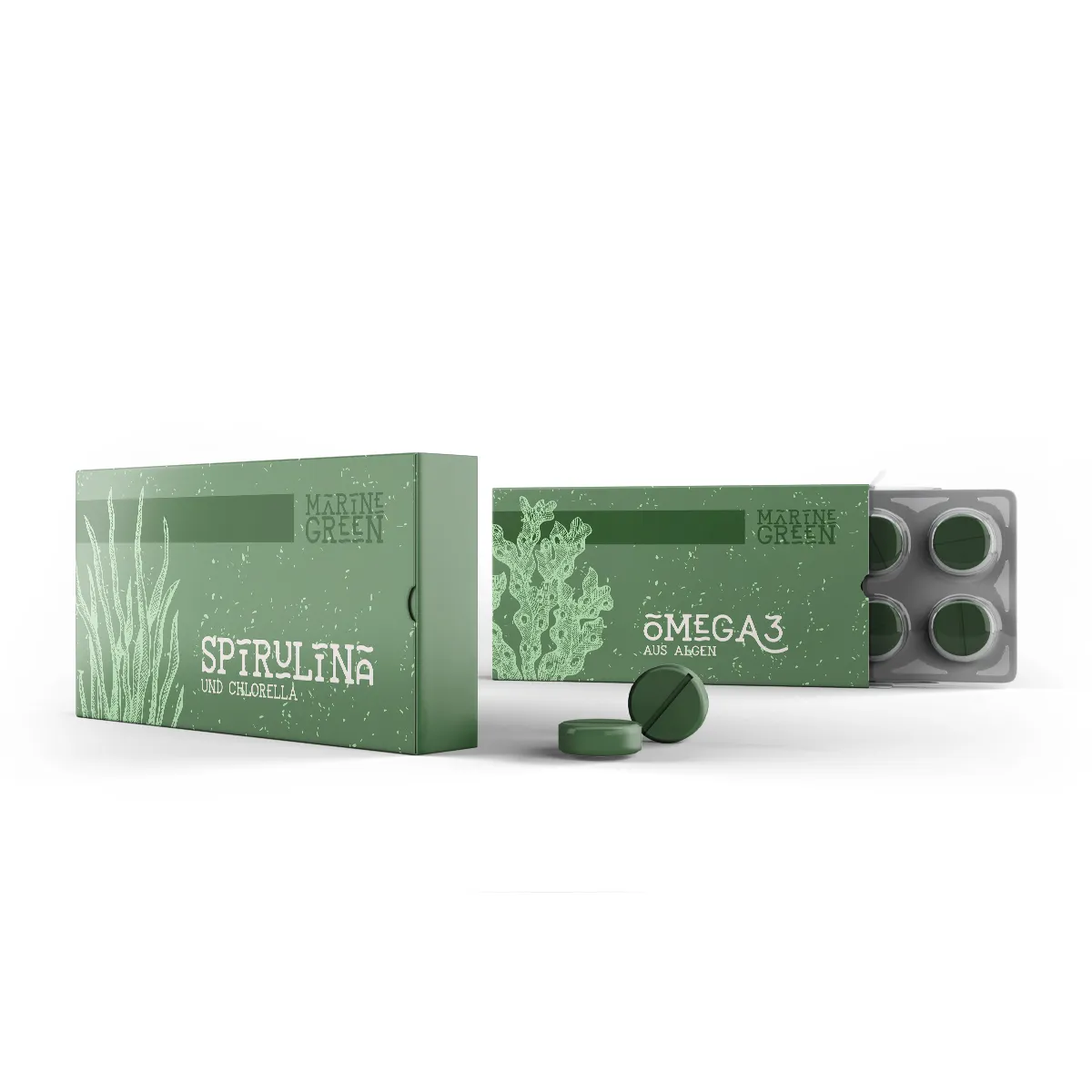
In the dynamic world of product packaging, few solutions offer the versatility, cost-effectiveness, and sustainability of folding boxes. From safeguarding delicate electronics to presenting gourmet chocolates, these ubiquitous containers play a crucial role in product protection, branding, and consumer experience. Understanding the nuances of folding box design, material selection, and printing techniques is paramount for any business looking to optimize its packaging strategy. This comprehensive guide will delve into the world of folding boxes, offering insights for businesses of all sizes.
Why Folding Boxes Are a Packaging Powerhouse
The enduring popularity of folding boxes isn’t accidental; it’s a testament to their inherent advantages. One of the primary benefits lies in their flat-packed nature during shipping and storage. This significantly reduces logistical costs and warehouse space requirements, making them an economically sound choice for businesses. Once at the point of use, they are easily assembled, often without the need for additional adhesives or tools, streamlining the packing process.
Beyond logistics, folding boxes offer an unparalleled canvas for branding. Their smooth surfaces readily accept high-quality printing, allowing for vibrant graphics, intricate designs, and essential product information. This transforms a simple container into a powerful marketing tool, capturing consumer attention on retail shelves and reinforcing brand identity.
Furthermore, in an era of increasing environmental consciousness, many folding boxes are made from recyclable and sustainably sourced materials like paperboard and corrugated cardboard. This commitment to sustainability resonates with consumers and helps businesses meet their corporate social responsibility goals.
Decoding the Anatomy of Folding Boxes: Materials and Construction
The effectiveness of any folding box hinges on its material and construction. The choice of material directly impacts the box’s strength, appearance, and cost.
Common Materials for Folding Boxes:
Paperboard (Cartonboard): – This is the most common material for folding boxes due to its excellent printability, versatility, and cost-effectiveness. It comes in various grades, including Solid Bleached Sulfate (SBS) for premium products, Coated Unbleached Kraft (CUK) for strength and natural aesthetics, and Recycled Coated Board (RCB) for eco-friendly options.
Corrugated Cardboard: – While typically associated with shipping boxes, micro-flute corrugated cardboard is increasingly used for retail folding boxes. It offers superior strength and cushioning for heavier or more fragile items while still allowing for high-quality printing.
Key Construction Styles:
Straight Tuck End (STE) Boxes: – The most common style, where the top and bottom flaps tuck into the box from the same direction. Easy to assemble and suitable for a wide range of products.
Reverse Tuck End (RTE) Boxes: – Similar to STE but with flaps tucking in opposite directions, offering slightly more structural integrity.
Auto-Lock Bottom Boxes (Crash Lock Bottom): – These boxes feature a pre-glued bottom that automatically locks into place upon assembly, significantly speeding up the packing process for high-volume operations.
Snap Lock Bottom Boxes: – A more economical alternative to auto-lock bottoms, requiring manual folding and snapping of tabs to secure the base.
Gable Top Boxes: – Often used for food and beverage products, recognized by their distinctive gable or house-like top.
Display Boxes: – Designed to showcase products, often featuring cut-outs, windows, or pop-up elements for retail presentation.
Design and Printing: Crafting an Unforgettable Unboxing Experience
The visual appeal of folding boxes is critical to attracting customers and conveying brand value. High-quality design and printing transform a functional container into an extension of the product itself.
Design Considerations:
Branding: – Incorporate your logo, brand colors, and typography consistently to reinforce brand identity.
Information Hierarchy: – Clearly display essential product information, ingredients, usage instructions, and legal requirements.
Visual Appeal: – Use compelling imagery, illustrations, and patterns to make the box stand out.
Unboxing Experience: – Consider how the customer will interact with the box. Can it be opened easily? Does it reveal the product in an engaging way?
Structural Integrity: – Ensure the design is robust enough to protect the product throughout its journey.
Printing Techniques:
Offset Printing: – Ideal for high-volume orders, offering exceptional color accuracy and print quality.
Digital Printing: – Perfect for smaller runs, prototypes, and personalized packaging, allowing for quick turnaround and variable data printing.
Flexographic Printing: – Often used for corrugated materials, known for its speed and cost-effectiveness for larger quantities.
Finishing Touches:
Laminations (Gloss, Matte, Soft Touch): – Add protection, enhance aesthetic appeal, and create a tactile experience.
UV Coating: – Provides a high-gloss finish and added durability.
Foiling (Hot or Cold): – Adds metallic accents for a luxurious look.
Embossing/Debossing: – Creates raised or indented designs for a premium, tactile effect.
Die-Cutting: – Allows for custom shapes, windows, and intricate designs.
Actionable Tips for Optimizing Your Folding Box Strategy
1. Prioritize Product Protection: – Before aesthetics, ensure your folding box adequately protects your product from damage during transit and handling. Consider the product’s weight, fragility, and environmental factors.
2. Align with Brand Identity: – Your packaging is a silent salesperson. Ensure the design, colors, and finishes of your folding boxes authentically represent your brand’s values and aesthetics.
3. Think Sustainable: – Explore options for recycled content, recyclable materials, and minimalist designs to reduce your environmental footprint. Communicate these efforts to your customers.
4. Optimize for Logistics: – Design folding boxes that are easy to assemble, stack efficiently, and fit standard shipping dimensions to minimize costs. Consider auto-lock bottoms for high-volume operations.
5. Test Prototypes: – Always create and test prototypes of your folding boxes before committing to a large production run. This helps identify any structural weaknesses or design flaws early on.
6. Consider the Unboxing Experience: – Design your packaging to delight your customers. An engaging unboxing experience can significantly enhance brand perception and encourage repeat purchases.
The Future of Folding Boxes
As consumer expectations evolve and e-commerce continues to grow, folding boxes will remain at the forefront of packaging innovation. We can expect to see further advancements in sustainable materials, smart packaging features (like NFC tags for product authentication), and highly personalized designs. The ability of folding boxes to adapt to these changing demands ensures their continued relevance as a cornerstone of effective product presentation and protection.
Conclusion
Folding boxes are far more than mere containers; they are integral components of a product’s journey from manufacturer to consumer. By understanding the diverse materials, construction styles, and design possibilities, businesses can leverage these versatile packaging solutions to protect their products, elevate their brand, and create memorable customer experiences. Investing in well-designed and thoughtfully produced folding boxes is an investment in your brand’s success and customer satisfaction.