

In today’s fast-changing business landscape, companies are increasingly turning to temporary staffing as a strategic way to meet fluctuating workforce demands. Whether it’s to cover employee absences, manage seasonal workload spikes, or fill roles during hiring freezes, temporary staffing offers a flexible, cost-effective, and efficient approach to workforce management.
This article explores what temporary staffing is, its benefits for businesses and job seekers, the industries that commonly use it, and tips for making it work effectively.
What is Temporary Staffing?
Temporary staffing, often referred to as “temp staffing,” involves hiring employees on a short-term basis to meet specific business needs. These employees—known as temporary or contract workers—are usually hired through a staffing agency that handles the recruitment, vetting, and administrative tasks such as payroll and taxes.
While the temp worker performs their duties on-site for the client company, they remain legally employed by the staffing agency, which oversees HR and compliance-related responsibilities.
Common Use Cases for Temporary Staffing
Businesses may require temporary workers for a variety of reasons, including:
- Maternity or medical leave coverage
- Seasonal spikes (e.g., retail holidays, tax season)
- Special projects or product launches
- Unexpected turnover
- Hiring freezes or budget constraints
- Trial periods before permanent hiring (“temp-to-perm”)
Industries That Rely on Temporary Staffing
Temporary staffing is not limited to a specific sector. It’s widely used across numerous industries, including:
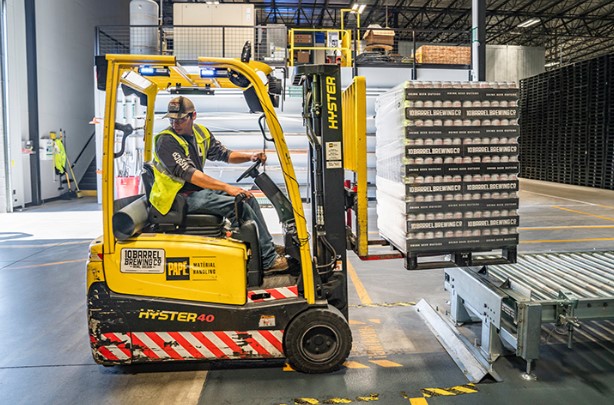
- Manufacturing & Warehousing: Assembly line workers, forklift operators, inventory staff
- Healthcare: Nurses, medical assistants, and administrative staff
- Administrative & Office Support: Receptionists, data entry clerks, customer service agents
- Information Technology: Software developers, project managers, and technical support
- Retail & Hospitality: Sales associates, cashiers, hotel staff, event personnel
- Education: Substitute teachers, tutors, and school administrators
The versatility of temp staffing makes it suitable for nearly any business environment where labour flexibility is needed.
Benefits of Temporary Staffing for Employers
1. Workforce Flexibility
Temporary staffing gives businesses the ability to scale their workforce up or down in response to changing needs. This is especially valuable for industries with cyclical demand or unpredictable workloads.
2. Cost Savings
Because temp workers are employed by the staffing agency, companies save on costs associated with full-time employees—such as benefits, retirement plans, and paid leave. It also reduces expenses related to recruiting and onboarding.
3. Reduced Hiring Risks
Temp staffing allows businesses to evaluate a worker’s performance, skills, and fit before making a permanent offer. This “try-before-you-hire” approach helps avoid costly hiring mistakes.
4. Fast and Efficient Hiring
Staffing agencies maintain databases of pre-vetted candidates who can often start work immediately. This shortens the hiring cycle and helps fill critical gaps quickly.
5. Focus on Core Business
With the staffing agency managing administrative tasks such as payroll, taxes, and benefits, internal teams can focus on core operations and strategic goals.
Benefits of Temporary Staffing for Job Seekers
Temporary work also provides numerous benefits for individuals:
1. Immediate Income
Temp jobs can be a quick source of income for people between jobs, students, or those re-entering the workforce.
2. Skill Development
Working in various roles helps employees gain new skills, adapt to different industries, and strengthen their resumes.
3. Career Exploration
Temp work offers a low-risk way to explore different types of work environments and roles, helping individuals clarify their long-term career goals.
4. Flexibility
Temporary jobs often offer more flexibility than traditional roles, which is ideal for people managing other life commitments.
5. Pathway to Permanent Employment
Many temporary roles convert into permanent positions, especially when workers demonstrate reliability, skill, and alignment with company culture.
How to Choose the Right Staffing Agency
To get the most out of temporary staffing, it’s important to partner with a reputable staffing agency. When evaluating agencies, consider the following:
- Industry specialisation: Do they understand your sector and its specific needs?
- Candidate quality: What is their screening and vetting process like?
- Response time: Can they fill positions quickly and efficiently?
- Compliance knowledge: Are they up to date with labour laws and regulations?
- Reputation: Look for client testimonials, case studies, or references.
A good staffing agency acts as a strategic partner, helping you maintain workforce continuity and productivity.
Making Temporary Staffing Work for Your Business
To ensure success with temporary staffing:
- Clearly define job roles and expectations for temp workers.
- Provide adequate training and onboarding, even for short assignments.
- Treat temp workers as part of the team—this boosts morale and productivity.
- Give regular feedback to both the agency and the worker.
- Monitor performance and consider top temp workers for permanent positions.
Conclusion
Temporary staffing is more than just a short-term solution—it’s a powerful strategy for managing labour efficiently and responding to the ever-changing needs of modern business. Whether you’re looking to fill a single role quickly or build a flexible workforce model, temporary staffing offers the agility, cost control, and access to talent that today’s companies require.
For job seekers, temp roles open doors to new experiences, faster employment, and sometimes a long-term career path.
When executed well, temporary staffing is a win-win for both employers and employees.